I Turned in My Book Manuscript, and Here’s a Sneak Peek
[An abbreviated excerpt from The Book Publisher’s Handbook (forthcoming by Ulysses Press, 2026); also published previously on Substack]
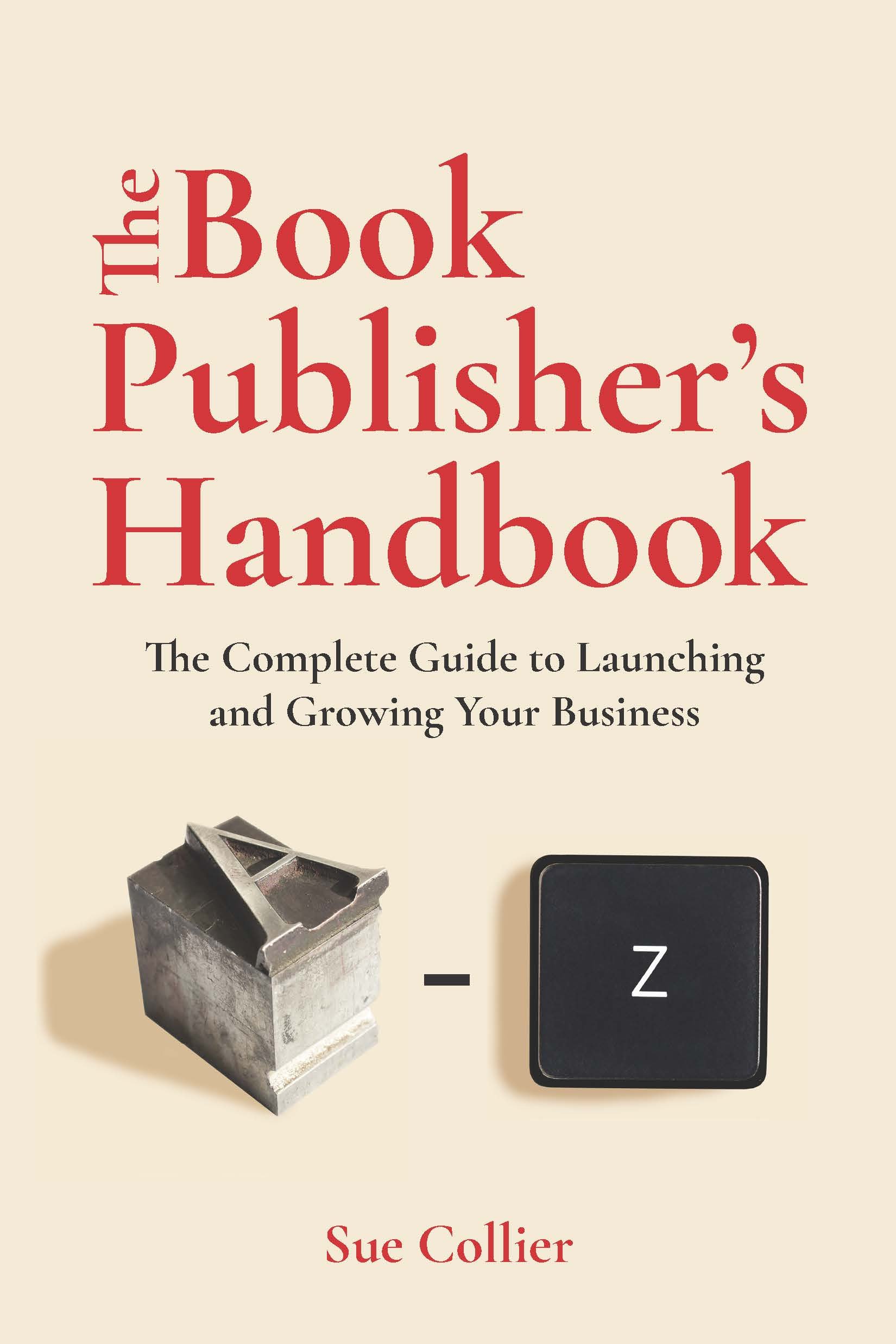
Big milestone: I just turned in the full manuscript for The Book Publisher’s Handbook to be published next year. Whew! This wasn’t my first rodeo (I cowrote a book that was published back in 2010), but man-o-man, I had forgotten just how much work it is.
While the book is still in production, I wanted to share a short excerpt I thought my fellow book lovers and publishing people would find interesting: a whirlwind tour through publishing history—from Gutenberg to Kindle to AI. Let’s take a look.
From Press to Power: A Quick History of Publishing
The Printing Press Changes Everything
Publishing as we know it began with a bang thanks to Johannes Gutenberg. His invention of the movable-type printing press around 1455 made it possible to mass-produce books affordably for the first time. The Gutenberg Bible is widely considered the first modern printed book, and its impact was nothing short of revolutionary. Information was no longer reserved for the elite; it could now be shared widely, sparking new ideas and cultural shifts that would shape the modern world.
The Golden Age of Print
The 19th and early 20th centuries brought major leaps forward: steam-powered presses, stereotyping, rotary presses, and linotype machines made book production faster and cheaper. Literacy rates soared. Education became compulsory. The demand for novels, newspapers, and textbooks exploded.
This era also gave rise to the major publishing houses—you’ve heard of them: Harper & Brothers, Houghton Mifflin, and Charles Scribner’s Sons—that began shaping not just what got printed, but how books were marketed and consumed. The idea of the bestseller was born, and publishing started to look a lot more like the industry we know today.
Enter the Digital Age
For most of the 20th century, publishing stayed largely analog. Then came the ebook.
The first digital book, typed into a university computer in 1971 by Michael Hart, seemed like a novelty at the time. But by the early 2000s, devices like the Rocket eBook and Sony Reader had begun to gain traction. When Amazon launched the Kindle in 2007, everything changed.
Suddenly, readers could download books instantly. Costs dropped. Access exploded. And self-publishing took off.
The Rise of Self-Publishing
Ebooks didn’t just change how we read; they changed who gets to publish.
By eliminating printing, shipping, and storage costs, digital publishing made it possible for independent authors to reach global audiences without needing a traditional book deal. What was once a tightly guarded industry became open and democratized.
Of course, this came with growing pains: pricing debates, concerns over royalties, and questions about quality. But self-publishing gave power to creators and fundamentally disrupted the publishing ecosystem.
Looking Ahead: What’s Next?
The future of publishing will likely be shaped by three major forces:
Audiobooks—Already one of the fastest-growing segments in the industry, audiobooks are riding the wave of smartphone culture. (I personally do about 75% of my “reading” via this medium. Consuming words while simultaneously doing laundry or walking the dog? Yes, please!) The next frontier? AI narration and immersive, sound-designed audio experiences.
Artificial Intelligence—AI is already assisting with everything from content generation to editing to marketing strategy. It can help authors brainstorm, outline, format, and even translate—while also raising important questions about creative ownership and authenticity.
Independent bookstores—Interestingly, as digital grows, so does the desire for personal, local, human experiences. Indie bookstores are coming back, not just as retailers, but as community hubs. Think events, book clubs, curated recommendations, and a welcome break from algorithm-driven discovery. (Does this make people as happy as it makes me?!)
Whether you’re a reader, a writer, or someone watching the publishing industry evolve from the sidelines, it’s an exciting time to be part of the story.
Thanks for following along on this publishing journey! More behind-the-scenes insights—and practical advice for authors—coming soon.